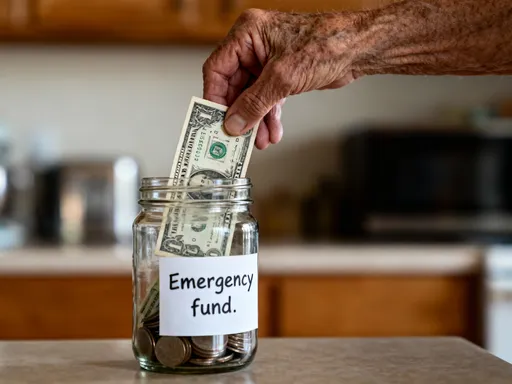
How I Stay Ready for Anything—My Real Talk on Emergency Financial Planning
Life doesn’t send warnings before things go sideways. A flat tire, a sudden job loss, or a medical scare can hit anyone, anytime. I learned this the hard way when an unexpected bill wiped out my savings overnight. That moment changed everything. Now, I plan not just for goals—but for surprises. This is how I’ve built a financial safety net that actually works, without stress or guesswork. Let me walk you through what really matters when life throws a curveball. It’s not about having a lot of money. It’s about having the right kind of protection in place so you don’t lose ground when crisis strikes. And it’s more achievable than most people think.
The Wake-Up Call: When Life Hits Without Warning
It started with a noise—a low, grinding sound from the driver’s side of my ten-year-old sedan. I ignored it for two days, convincing myself it was just a loose cover or a stone caught in the tire. But when the car sputtered to a stop on my way to work, reality set in. The repair bill came to over $1,200—a sum that drained my entire savings account. I wasn’t living paycheck to paycheck, but I also wasn’t prepared. I had money set aside for a vacation and a new kitchen appliance, but nothing labeled “emergency.” That gap cost me more than just money. It cost me sleep, confidence, and peace of mind.
In the weeks that followed, I found myself rethinking every purchase. I canceled a family outing because I couldn’t justify the gas and food costs. I started checking my bank balance three times a day, anxious that another surprise might push me into overdraft. The emotional toll was heavier than the financial one. I felt exposed, like I was one more setback away from real trouble. What made it worse was realizing this wasn’t an isolated incident. Friends and neighbors had faced similar shocks—a broken water heater, a sudden job reduction, an injury that led to missed shifts. None of them were reckless with money, yet all of them were vulnerable.
That experience became my wake-up call. I began to see that financial security isn’t just about earning enough or saving for retirement. It’s about resilience—the ability to absorb a blow without collapsing. I realized I wasn’t alone in being unprepared. Studies show that nearly 40% of American adults wouldn’t be able to cover a $400 emergency with cash. That statistic isn’t just a number—it’s a reflection of how common this fear really is. But it doesn’t have to be this way. I decided to stop reacting and start preparing. Not because I expected disaster, but because I valued stability more than spontaneity.
What Emergency Financial Planning Really Means
Emergency financial planning is not the same as budgeting for groceries or saving for a down payment. It’s a focused strategy designed to protect you when income stops or unexpected costs arise. At its core, it’s about ensuring you can cover essential living expenses—rent, utilities, food, transportation, insurance—for a set period without relying on credit cards, loans, or help from others. It’s the difference between handling a crisis with calm and facing it with panic.
Many people confuse emergency planning with general saving, but the two serve different purposes. Regular savings might go toward a new phone or a weekend getaway—things that improve life but aren’t necessary for survival. Emergency funds, on the other hand, are reserved for true disruptions: a medical deductible after an accident, a car repair that’s needed to get to work, or several weeks without pay due to a temporary layoff. The key distinction is urgency and necessity. If the expense isn’t urgent or essential, it doesn’t belong in this category.
The goal isn’t wealth accumulation. It’s stability. A well-structured emergency plan gives you breathing room. It means you don’t have to sell investments at a loss during a market dip or take on high-interest debt to fix a leaking roof. It also reduces emotional strain. Knowing you have a cushion changes the way you respond to stress. Instead of spiraling into “What if?” scenarios, you can focus on solutions. This kind of planning isn’t about pessimism—it’s about practicality. It’s acknowledging that life is unpredictable and choosing to be ready, not reactive.
Experts often recommend saving enough to cover three to six months of essential expenses. For someone with a stable job and low debt, three months might suffice. For those with irregular income, dependents, or health concerns, six months or more may be wiser. The exact number matters less than the principle: you need a dedicated reserve that’s separate from other savings and accessible when needed. This isn’t a long-term investment. It’s a safety net, designed for quick deployment when life doesn’t go as planned.
The Three Layers of Financial Defense
True financial resilience doesn’t come from a single action. It’s built on three interconnected layers: liquid cash reserves, low-debt living, and multiple income safeguards. Each layer plays a distinct role, and together, they form a defense system that can absorb different kinds of shocks. Think of it like a home security setup—alarms, locks, and cameras all work better together than alone.
The first and most critical layer is **liquid cash reserves**. This is money you can access quickly, without penalties or delays. It should be kept in a safe but accessible place, such as a high-yield savings account. Unlike stocks or retirement funds, which can lose value or carry withdrawal restrictions, cash is reliable when timing is everything. If your furnace breaks in winter, you can’t wait for the market to recover or for a loan approval. You need funds now. That’s why liquidity matters. The rule of thumb is to keep this money separate from your everyday checking account to avoid accidental spending, but still within reach via transfer or ATM access.
The second layer is **low-debt living**. High debt, especially high-interest debt, amplifies financial stress during emergencies. Imagine losing income while carrying a $5,000 credit card balance at 20% interest. Every month without pay increases the debt and the pressure. By contrast, someone with minimal debt can pause spending and survive on essentials without fear of compounding interest. This doesn’t mean you must be completely debt-free to start preparing. But it does mean prioritizing debt reduction as part of your emergency strategy. Every dollar paid toward debt is a dollar less you’ll owe when crisis hits. It’s preventive maintenance for your finances.
The third layer is **multiple income safeguards**. Relying on a single source of income is like building a house on one pillar—if it cracks, everything falls. Diversifying your income streams adds stability. This could mean having a side gig, maintaining marketable skills, or keeping professional connections active. It might also include passive income sources like rental properties or dividend-paying investments, though these are secondary to immediate cash access. The goal isn’t to become a millionaire through side hustles, but to have options. If your main job is at risk, even a small secondary income can cover rent or groceries and buy time to find a new position.
These three layers work together. Cash reserves handle immediate costs. Low debt reduces ongoing pressure. Multiple income sources provide long-term flexibility. When a real crisis hits—like a medical leave or job loss—this combination allows you to respond without desperation. You’re not just surviving. You’re maintaining control.
Building Your Safety Net—Step by Step
Starting an emergency fund doesn’t require a windfall. It requires consistency. The most effective approach is to begin small and build gradually. Many people delay because they believe they need to save $5,000 or $10,000 all at once. But that mindset leads to inaction. A more realistic path is to set a starter goal—say, $500—and commit to regular contributions, even if they’re modest. $25 a week adds up to $1,300 in a year. That’s enough to cover many common emergencies, from a dental procedure to a tire replacement.
Where you keep the money matters. It should be in a separate savings account, ideally one that earns interest but doesn’t tempt you to spend. High-yield savings accounts offered by online banks often provide better rates than traditional brick-and-mortar institutions, with the same federal insurance protection. Avoid keeping emergency funds in checking accounts where daily transactions occur, as the mental boundary between “spendable” and “untouchable” money can blur. At the same time, don’t lock the money in long-term CDs or investment accounts where early withdrawal penalties apply.
Automation is one of the most powerful tools for building consistency. Setting up a direct transfer from checking to savings right after payday ensures the money is saved before you have a chance to spend it. This “pay yourself first” approach treats savings like a non-negotiable bill. If your income varies—as with freelancers or hourly workers—you can adjust contributions monthly based on what’s available. The key is to keep the habit alive, even if some months are smaller than others.
Another effective strategy is to allocate windfalls—tax refunds, bonuses, cash gifts, or rebates—directly into the emergency fund. A $1,200 tax refund, for example, can jump-start your savings or fill a gap after a withdrawal. This method leverages money you weren’t counting on, so it doesn’t disrupt your regular budget. Over time, these contributions compound, both in dollars and in confidence. You begin to trust that you’re no longer defenseless.
It’s also important to define what counts as an emergency. Create a personal rule: only urgent, essential, and unavoidable expenses qualify. A flat tire? Yes. A sale on designer clothes? No. A medical co-pay? Yes. A last-minute concert ticket? No. Clear boundaries prevent misuse and preserve the fund’s integrity. When in doubt, wait 48 hours before withdrawing. Often, the urgency fades, and you realize it wasn’t a true emergency after all.
Avoiding the Traps That Derail Most People
Even with good intentions, many people undermine their emergency funds by falling into common traps. The most frequent mistake is blurring the line between emergencies and desires. It’s easy to justify using “saved” money for a vacation, a new gadget, or a home upgrade. These aren’t emergencies, even if they feel urgent. Once the boundary is crossed, it becomes easier to do it again. The fund loses its purpose and its power.
Another trap is overestimating insurance coverage. Health, auto, and homeowners insurance are essential, but they rarely cover 100% of costs. High deductibles, co-pays, and excluded items mean you still need cash on hand. For example, a $3,000 medical bill with a $1,500 deductible leaves a significant gap. Assuming insurance will handle everything can leave you unprepared when the bill arrives. Insurance is part of the solution, not the entire solution.
Some people turn to high-risk investments, believing they can “grow” their emergency fund quickly. They might invest in volatile stocks, cryptocurrency, or speculative real estate deals, hoping for high returns. But emergencies demand reliability, not growth. If the market drops just as you need the money, you’re forced to sell at a loss. That defeats the entire purpose of having a safety net. Emergency funds should prioritize safety and access over returns. A modest interest rate is acceptable; major losses are not.
Another common error is failing to replenish the fund after a withdrawal. Life happens, and sometimes you need to use the money. That’s what it’s there for. But once the crisis passes, many people forget to refill the account. This leaves them vulnerable to the next shock. Rebuilding should be a priority, even if it takes months. Treat it like fixing a hole in your roof—necessary and non-negotiable.
Finally, some delay starting because they feel they don’t earn enough. But emergency planning isn’t only for high earners. It’s especially important for those with limited income, who are more vulnerable to disruptions. Even $10 a week builds resilience over time. The goal isn’t perfection. It’s progress. Every dollar saved is a step toward greater control and less fear.
Beyond the Savings Account: Smart Risk Control Moves
While cash reserves are the foundation, they’re not the only tool in your financial defense kit. Smart risk control includes insurance, credit safety nets, and personal skills that increase your ability to adapt. These elements don’t replace savings—they enhance them.
Insurance is a critical layer. Health insurance protects against massive medical bills. Disability insurance replaces a portion of your income if you can’t work due to illness or injury—a safeguard many overlook. Renters or homeowners insurance covers damage from fire, theft, or natural disasters. Life insurance, while not part of emergency planning per se, protects dependents from financial collapse if the unthinkable happens. The key is to choose coverage that fits your needs without overpaying. Review policies annually, and don’t hesitate to shop around for better rates.
Credit can also serve as a backup, but only if used wisely. A low-interest emergency line of credit, pre-approved and kept unused, can act as a secondary buffer. Unlike credit cards, which often carry high rates, a personal line of credit with a fixed, low APR can provide funds without compounding debt. But this should be a last resort, not a first option. Relying on credit means adding debt, which increases pressure later. It’s better to use savings first, then credit only if absolutely necessary.
Equally important is skill-based security. In today’s economy, job stability isn’t guaranteed. Having up-to-date skills, certifications, or a strong professional network increases your ability to find new work quickly if needed. Taking an online course, attending industry webinars, or volunteering to gain experience can keep you marketable. This kind of preparation doesn’t show up in a bank statement, but it’s a form of financial insurance. The faster you can adapt, the less strain an income gap will cause.
These tools work best when integrated with your cash reserve. Imagine a scenario where your car breaks down: savings cover the repair, insurance handles any medical costs if there was an accident, and your skills allow you to take on temporary work if you miss shifts. Together, they create a web of protection that no single tool could provide alone.
Making It Stick: Habits That Build Lasting Security
The biggest challenge isn’t starting—it’s staying consistent. Financial habits fade when life gets busy or motivation dips. The key to lasting security is embedding emergency planning into your routine so it feels natural, not burdensome. This starts with mindset. Instead of viewing savings as a sacrifice, reframe it as an act of self-respect. You’re choosing to protect your future self, your family, and your peace of mind.
Tracking progress helps, but not obsessively. Check your emergency fund balance monthly, not daily. Celebrate milestones—$500, $1,000, three months’ worth of expenses. Small rewards, like a favorite coffee or a family movie night, reinforce positive behavior without derailing your budget. The goal is to associate saving with accomplishment, not deprivation.
Life changes, and so should your plan. A new job, a growing family, or a move to a higher-cost area may require adjusting your target amount. Review your emergency fund annually, or after major life events. Update your essential expenses list and ensure your savings goal still matches your reality. Flexibility prevents the plan from becoming outdated or irrelevant.
Finally, talk about it. Financial topics are often private, but sharing your goals with a trusted partner, friend, or family member increases accountability. You might inspire others to start their own safety nets. Conversations about money, when grounded in care and preparation, can strengthen relationships rather than strain them.
True financial confidence doesn’t come from how much you earn or how big your portfolio is. It comes from knowing you can handle what comes next. You may never face a major crisis. But if you do, you’ll meet it with strength, not fear. That’s the real reward of emergency planning—not just financial safety, but lasting peace of mind.